The Monterey Historical Society is committed to collecting, preserving, and sharing historical materials and offering exhibits and programs that bring the history and culture of Monterey, Massachusetts, and the Southern Berkshire region to life. Founded in 1963, the Society is a private, non-profit 501(c)(3) organization supported primarily through memberships. All officers and directors are volunteers, and the Society is headquartered at the Monterey Library through the generous support of the Library Trustees. Throughout the year, we host lectures, programs, and publish articles in the Monterey News focused on local history. Our growing collection includes artifacts, memorabilia, historical documents, and a small-but-growing digital archive available to researchers.
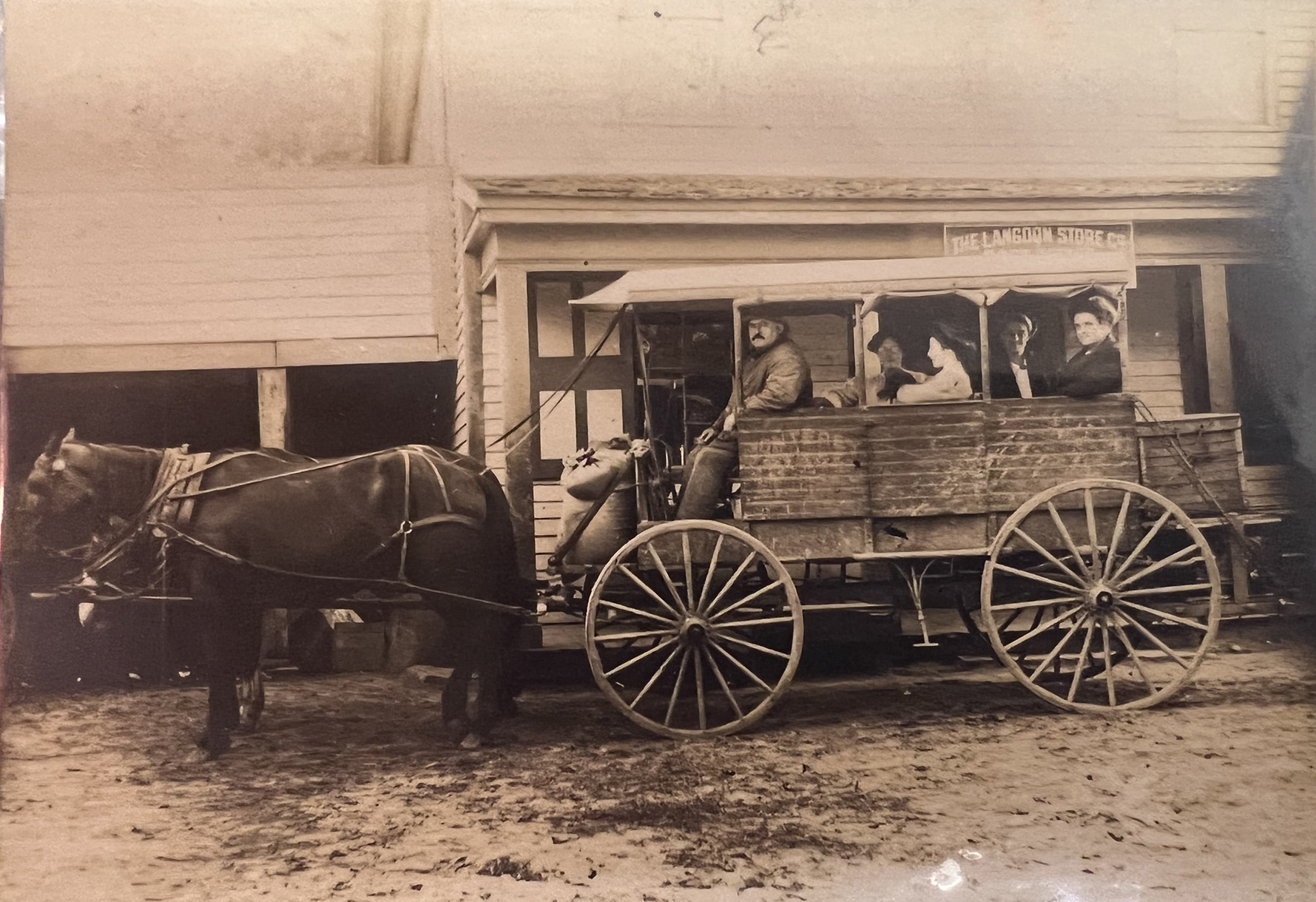


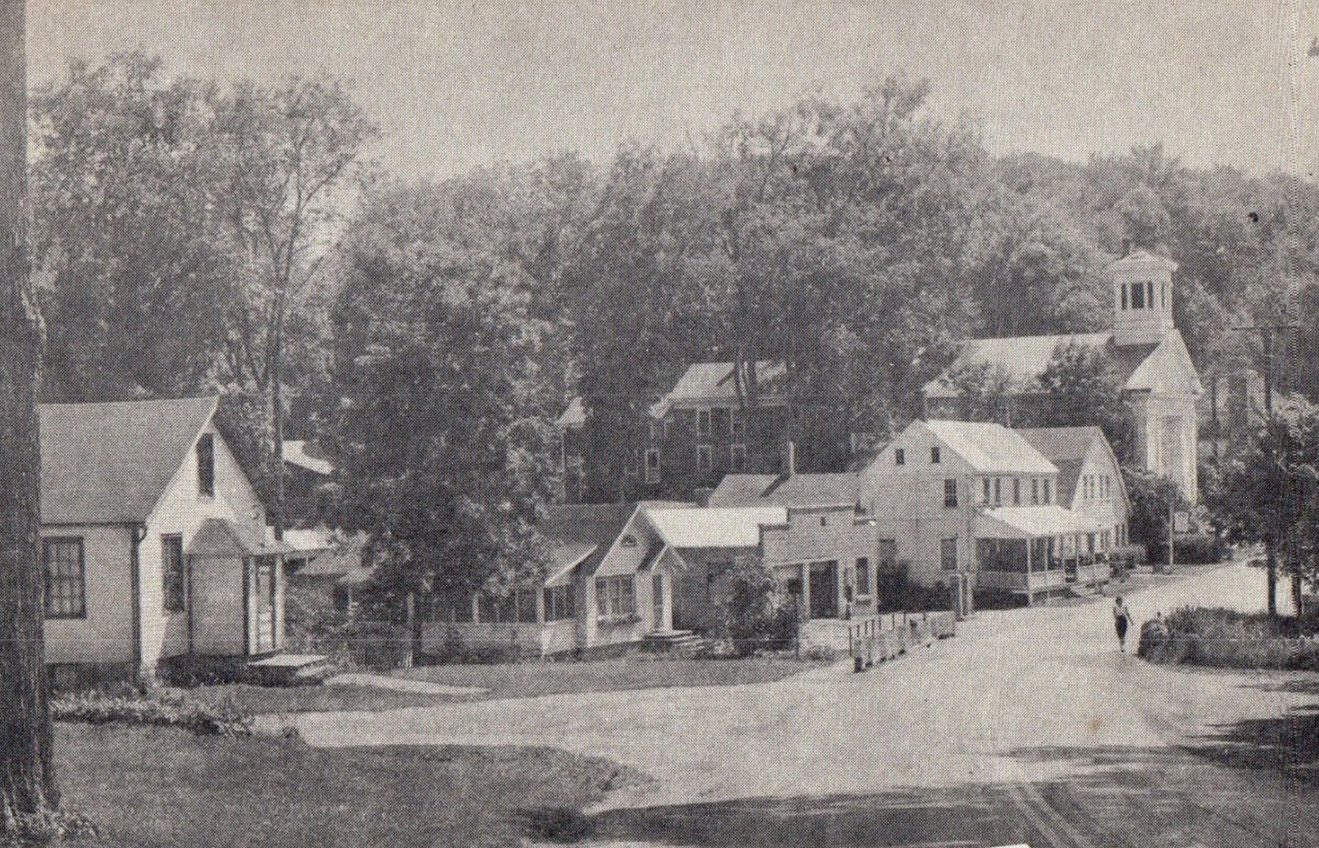


Monterey and the surrounding region are the traditional homelands of the Mohican people and earlier Indigenous communities. The Mohicans, part of the Eastern Algonquin family, lived throughout the East Coast and became known in this area as the Stockbridge Indians. Though later displaced, their descendants — the Stockbridge-Munsee Community of Wisconsin — remain active stewards of these ancestral lands.Monterey was originally part of Township No. 1, chartered in 1735. Settlement began in 1739 after land was purchased from the Stockbridge Indians. Early settlers like Capt. John Brewer established sawmills along Konkapot Brook near what is now Lake Garfield. The area, once known as Brewer’s Mills, grew into a village center connected by early roadways still in use today.
Captain Brewer’s mills, located two miles southeast of Old Center, eventually became the heart of the village of Monterey. Roads such as the southern section of Tyringham Road were constructed to connect the mills and the Meeting House. Later, the Hop Brook area developed as North Tyringham, which is now the separate town of Tyringham. The town’s first minister, Reverend Adonijah Bidwell, arrived in 1750 and served until his death in 1784. He built what is now known as the Bidwell House around 1762. The house and surrounding 196-acre property—including the site of the original Meeting House and a segment of the old Boston-Albany Post Road—are preserved today as the Bidwell House Museum, which opened in 1990. The property features a historically restored house on the National Register of Historic Places, seasonal guided tours, and year-round public access to its fields, gardens, and six miles of trails, including a Native American Interpretive Trail. In 1847, Monterey was officially separated from Tyringham with the construction of the third Meeting House in the village. The new town was named to commemorate the American victory at the Battle of Monterrey during the Mexican-American War. Monterey's boundaries were later expanded in 1851 with a portion of New Marlborough and again in the 1870s with part of Sandisfield.
Throughout its history, Monterey’s economy has centered on agriculture and timber. By the early 1800s, most of the land was farmed, leaving behind the stone walls that still line today’s forests and hillsides. The introduction of Merino sheep in the 1820s led to even more clearing and fencing.Monterey's many streams and rivers supported a wide range of water-powered industries. An 1830 map shows two sawmills, a carding factory, and a gristmill, soon followed by a paper mill and woolen factory by 1858. Additional industries included shingle mills, and factories producing twine, rat traps, whips, and even a distillery. These were primarily located along the Konkapot River and River Road, in both Monterey Village and Old Center, with others on smaller brooks throughout town. By the late 1800s, charcoal production for nearby iron furnaces became a major industry. In 1875, Monterey was the largest charcoal producer in Massachusetts. As a result, much of Monterey—and the surrounding Berkshires—was nearly deforested by the end of the 19th century.
About 4,500 acres of Monterey are part of Beartown State Forest, established in 1921. During the 1930s, the Civilian Conservation Corps developed projects there, including the creation of Benedict Pond. Many original home sites—now just cellar holes and stone walls—remain in the forest. The Appalachian Trail passes through this area and is popular for hiking and recreation. Starting in the late 1800s and into the early 1900s, Monterey grew into a summer destination. Cottages were built around Lake Garfield and Lake Buel, and the town hosted numerous boarding houses, hotels, and summer camps that thrived through the 1970s. Though most camps have since closed, many cottages have been expanded into year-round homes. Monterey now has a large seasonal population, with families returning for generations and contributing actively to the community. Monterey’s year-round population has remained relatively stable at around 750 since 1850. The population hit a low of 282 in 1920 and steadily increased to a recorded 1,095 residents in the 2020 census. In summer, the seasonal population swells to more than 5,000.
Help safeguard rare artifacts, photographs, and materials that tell the story of our town and its people.
Your donation funds exhibits, lectures, and public programs that bring the community together through shared learning.
Enable the continued acquisition, organization, and digitization of valuable historical items and family records.
Support the dedicated volunteers who keep our work going. Every dollar goes directly toward mission-based work
Help safeguard rare artifacts, photographs, and materials that tell the story of our town and its people.
Your donation funds exhibits, lectures, and public programs that bring the community together through shared learning.
Enable the continued acquisition, organization, and digitization of valuable historical items and family records.
Support the dedicated volunteers who keep our work going. Every dollar goes directly toward mission-based work


Thank you for your interest in the Monterey Historical Society. Whether you're reaching out with a question about local history, seeking more information about our programs, exhibits or events, have an artifact you'd like to add to our collection, or simply want to connect, we're happy to hear from you. Please fill out the form or email us directly. We typically respond within 1–2 business days.