The Monterey Historical Society is dedicated to preserving and sharing the rich heritage of Monterey, Massachusetts, and the Southern Berkshire region. We start by recognizing the long stewardship of this land by the indigenous Mohicans; the early colonial settlements, historic mills, and evolution into a year-round resort town beloved by many generations. We collect stories and memorabilia that showcase the people, places, and events that shaped our town. Through exhibits, programs, and archives, we bring local history to life for residents and visitors, year-round and seasonal, present and former, and researchers.
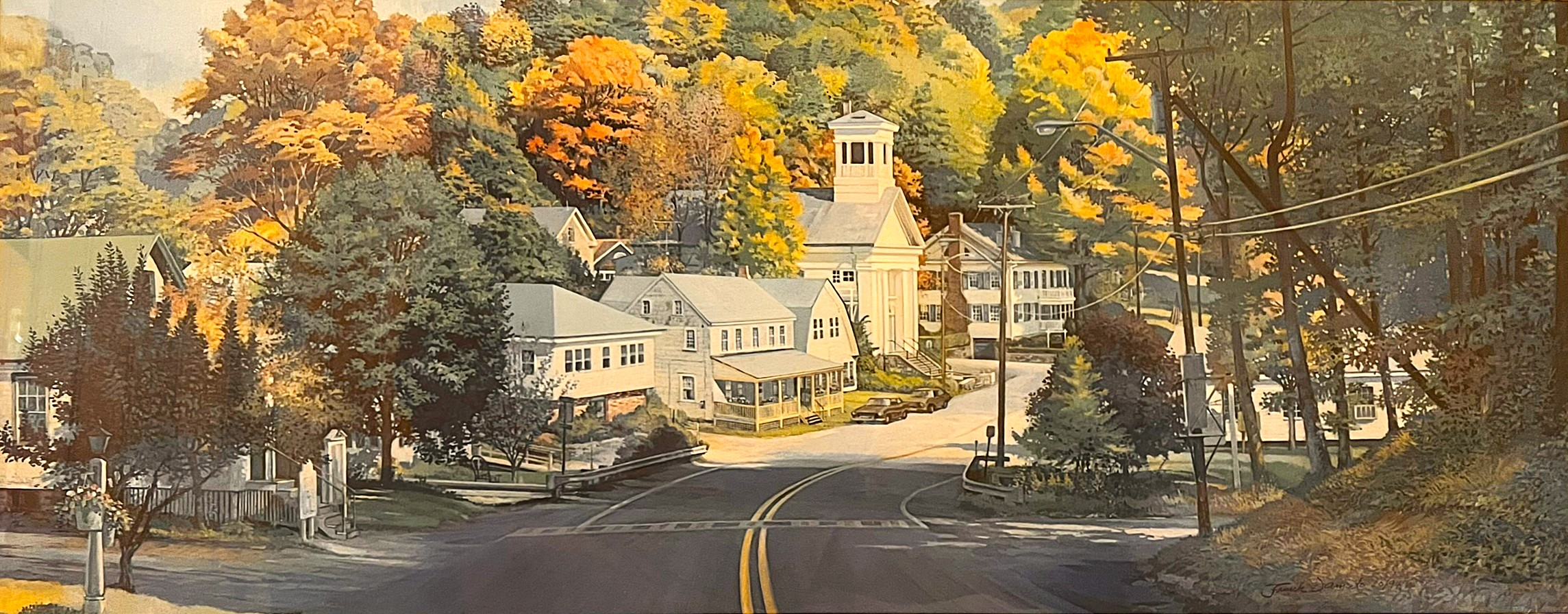
Established in 1963 as a non-profit organization and led entirely by volunteers, the Monterey Historical Society curates exhibitions, sponsors public history talks and programs, and maintains historical archives for education and research. From lectures, exhibits, monthly articles in the Monterey News, an archive of Monterey artifacts, and digitized collections, we serve as a hub for connecting residents and visitors with the past.



Monterey, Massachusetts, rests on the ancestral lands of the Mohican people and was first settled by Europeans in 1739. Originally part of Tyringham, the area developed around mills powered by the Konkapot River. Monterey was incorporated as a separate town in 1847. With a past shaped by agriculture, milling, and charcoal production for iron furnaces in the Berkshires, the town eventually grew into a vibrant summer retreat surrounded by forests, lakes, and mountain trails. Today, Monterey is home to a close-knit year-round population and a large community of part-time residents, many of whom have lived here for two or three generations. Many residents attended summer camps here in the middle of the 20th century and have returned to their dream home.
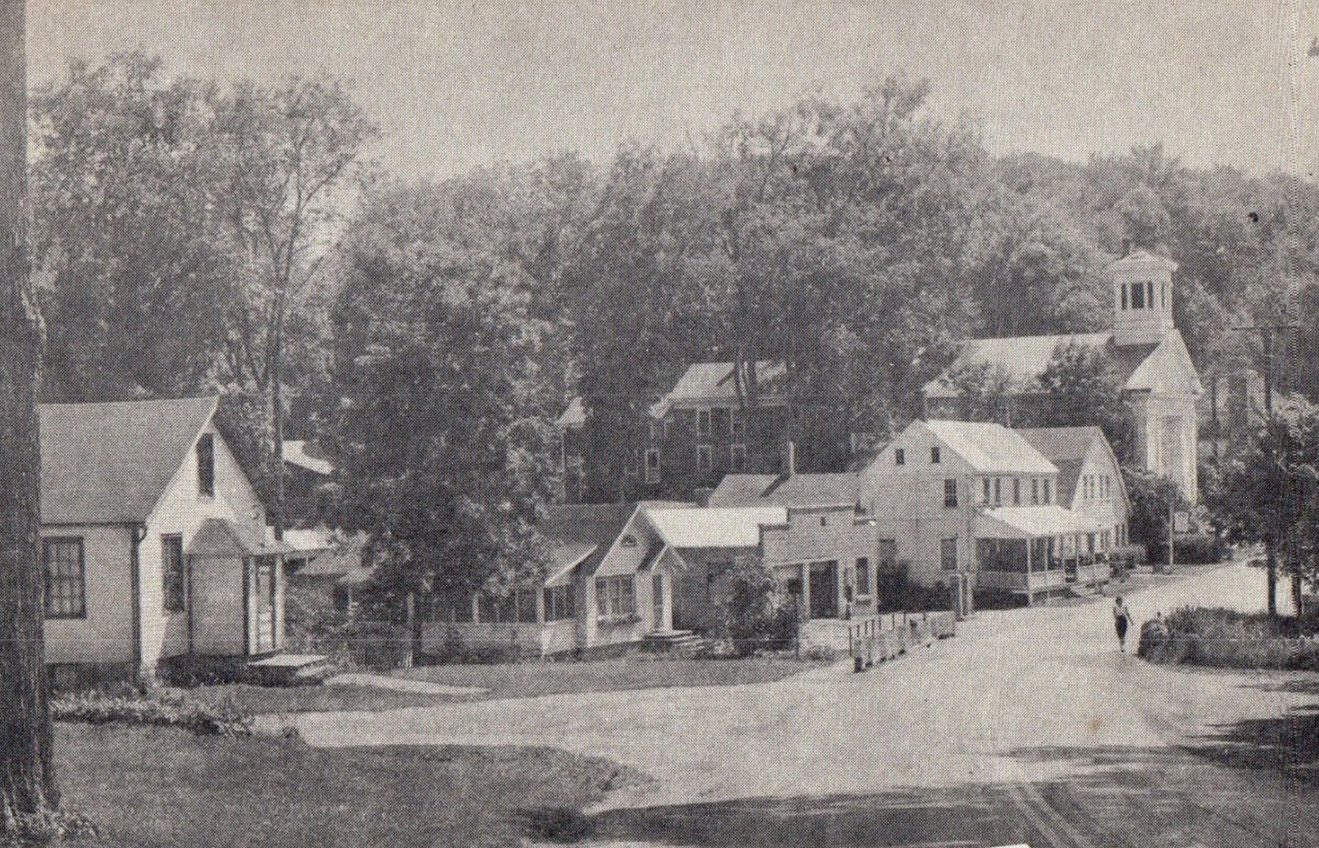
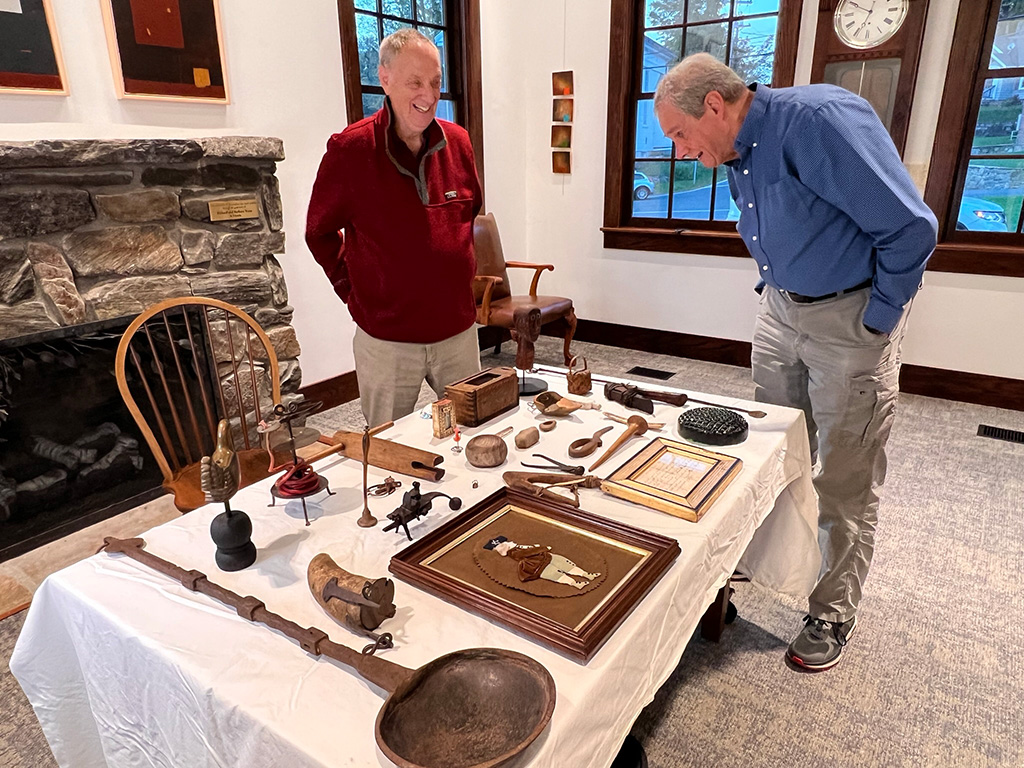
Step into Monterey’s story through images that span generations, from tools and textiles to letters, landmarks, mills, and cherished community snapshots. Each piece in our archive offers a glimpse into the lives, labor, and legacy of those who built this town. Researchers are invited to make an appointment to view artifacts or research documents in the archive.

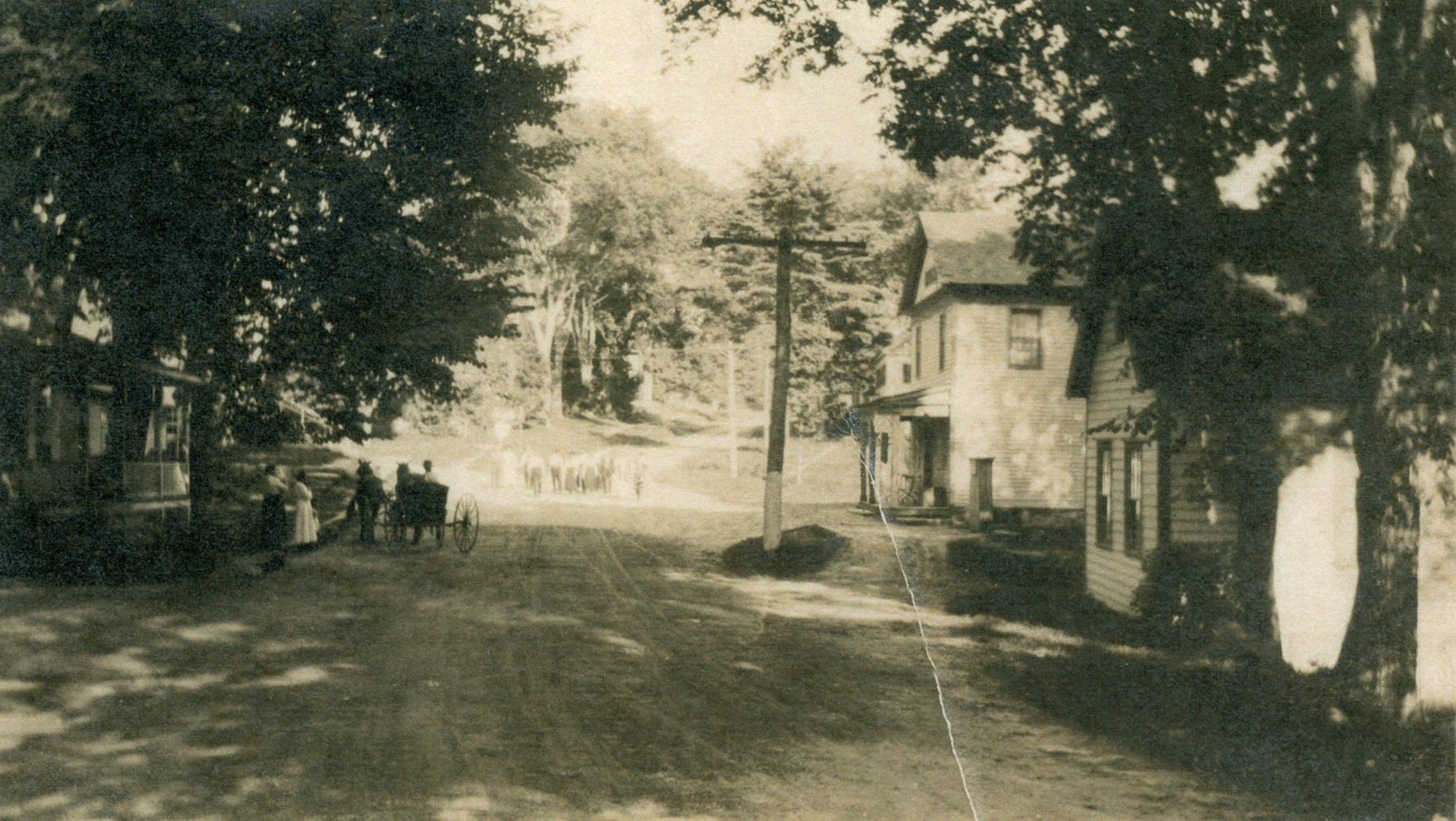
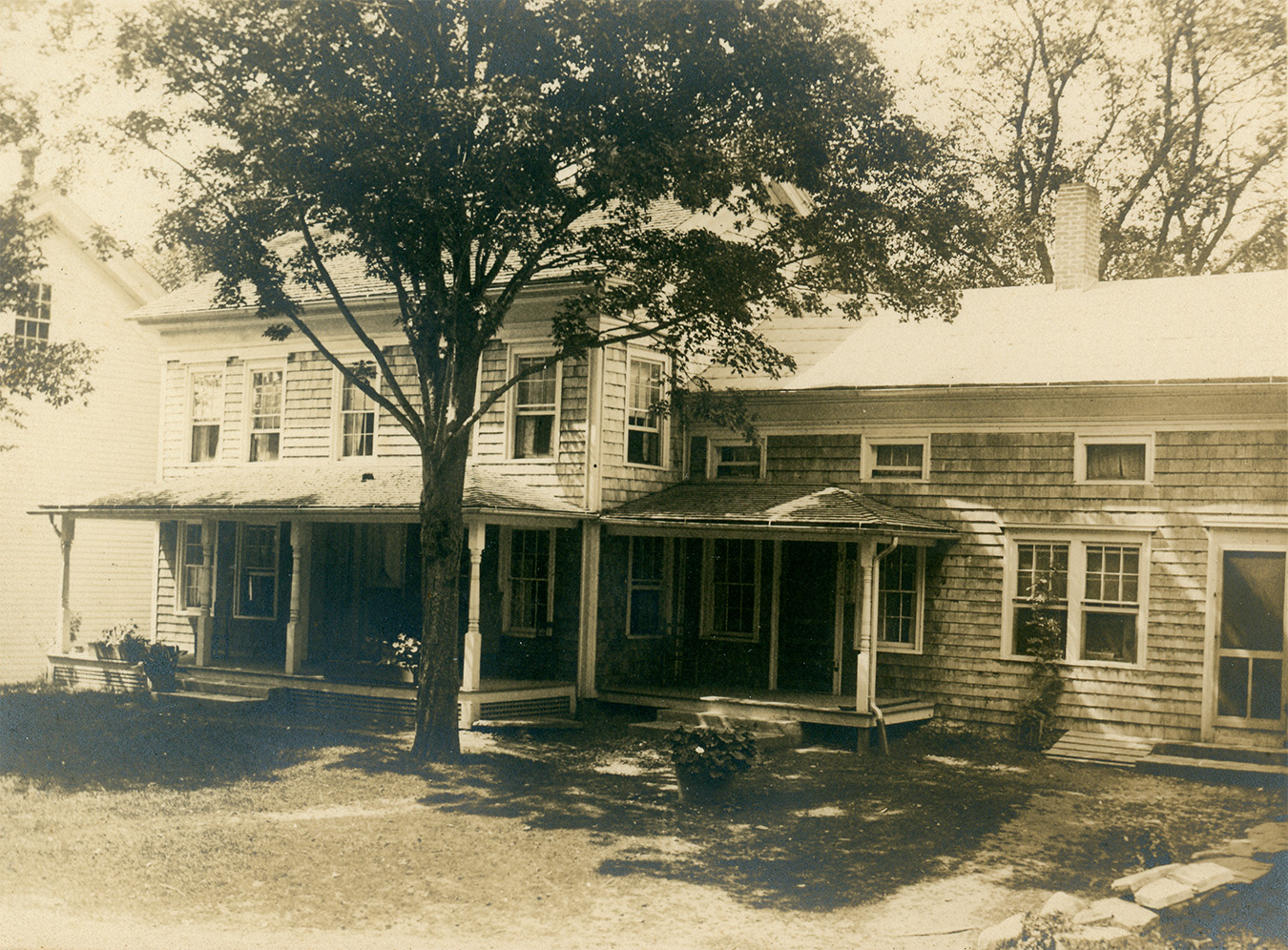
Help us grow, share, and protect what makes Monterey vibrant. As a volunteer-run nonprofit, the Monterey Historical Society depends on donations to continue our work behind the scenes—putting on programs and exhibits, maintaining archives, cataloging new materials donated to the archives, digitizing rare books and materials, and providing a place to store the memories of Monterey's past and present. We are always excited to discover new stories. Your gift directly supports community programming, exhibitions, and the ongoing effort to ensure that Monterey’s heritage endures.
Help safeguard rare artifacts, photographs, and materials that tell the story of our town and its people.

Your donation funds exhibits, lectures, and public programs that bring the community together through shared learning.
Enable the continued acquisition, organization, and digitization of valuable historical items and family records.
Support the dedicated volunteers who keep our work going. Every dollar goes directly toward mission-based work

Stay connected with the stories, traditions, and community that make our town vibrant. From walking tours and lectures to hands-on workshops and seasonal celebrations, our events offer something for everyone. Whether you're a lifelong resident or just passing through, we invite you to step into the past and be part of the future of the Monterey Historical Society.
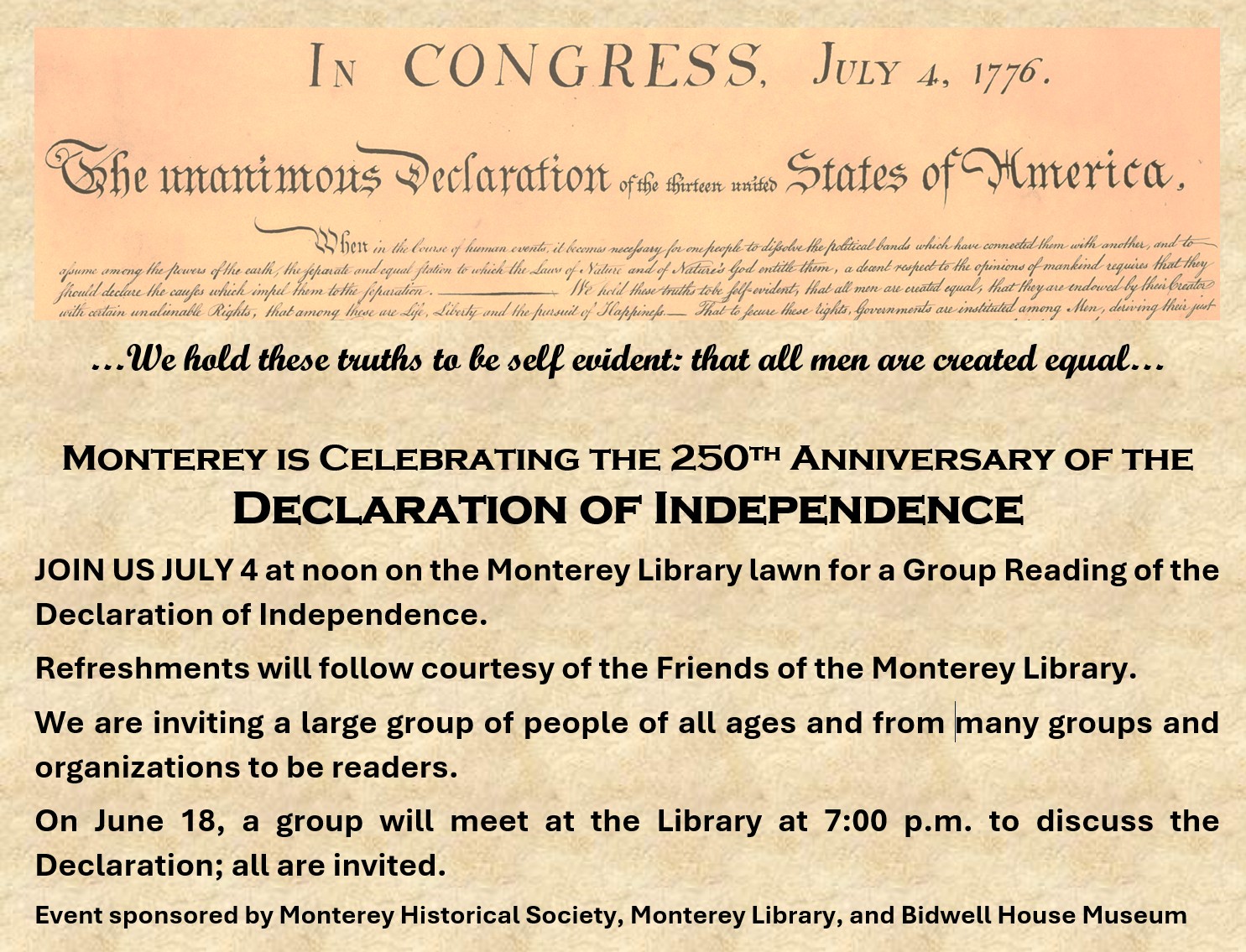
Monterey is celebrating the 250th Anniversary of the Declaration of Independence with two public events. Everyone is invited to participate.
Two public events mark the occasion: an evening discussion of the Declaration of Independence, followed on Independence Day by a community reading on the Monterey Library lawn.
A discussion of the Declaration of Independence — what it says, its historical context, the 23 grievances against the King, and how those grievances were later addressed in the 1787 Constitution.
A public reading of the Declaration of Independence by a large, diverse group of readers from Monterey. All are invited to attend, and refreshments will be served after the reading.
Interested in participating as a reader or in the discussion? Email montereyma.historical.society@gmail.com and we will send you more information.
Monterey Historical Society, Monterey Library, and Bidwell House Museum.